
Blog
Dashcams & Telematics: Why Integrated Systems Are the New Standard in 2025

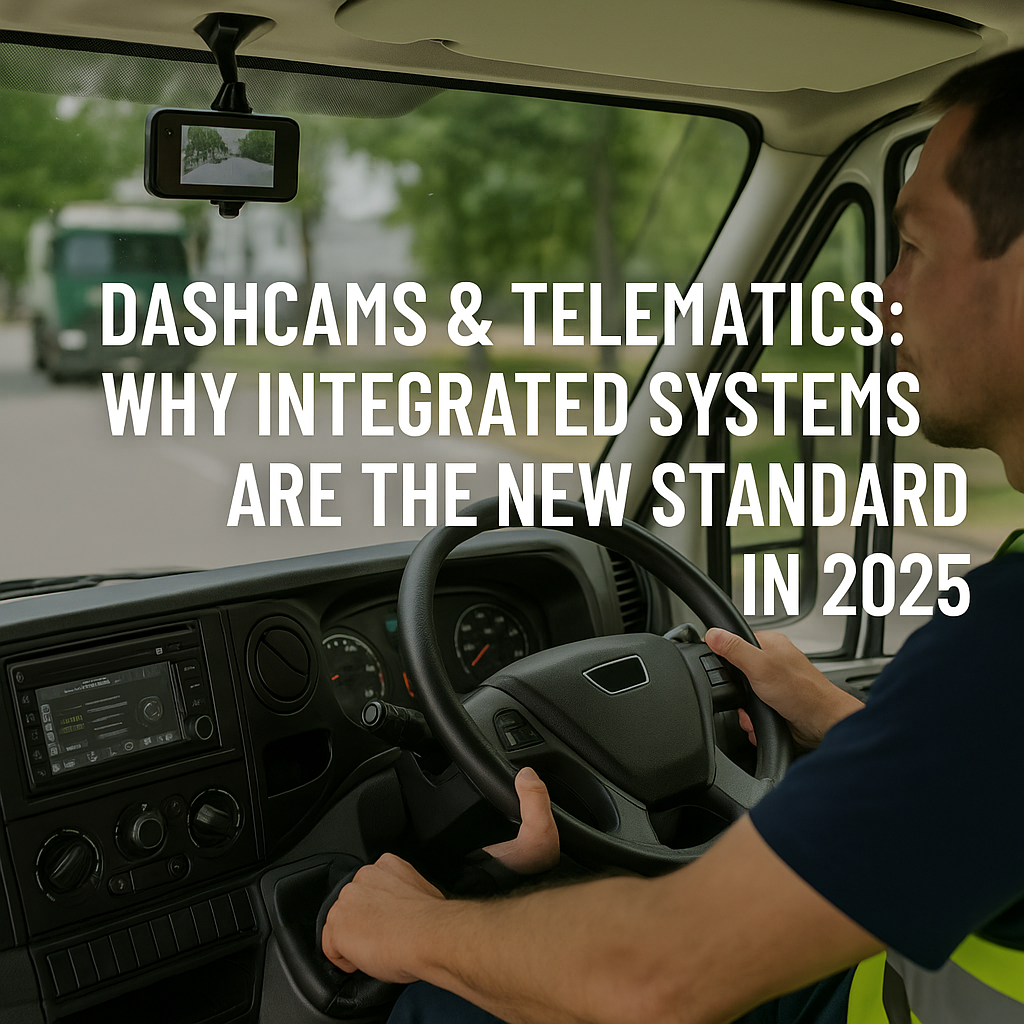
Intro: Visibility Is Power in 2025
If you’re still running dashcams and GPS tracking separately, you’re behind.
In 2025, smart fleet operators in Canada are using integrated dashcam + telematics platforms to streamline operations, coach drivers, cut insurance costs, and protect their bottom line.
Why? Because combined systems give you a full, real-time view of your fleet—and that changes everything.
1. See What GPS Alone Can’t
GPS tells you where a vehicle is. Dashcams show you what’s actually happening.
Together, you get:
-
Visual evidence in case of accidents
-
Context behind speeding or harsh braking
-
Insight into distracted or unsafe driving
-
Real-time alerts with video backup
💡 Telematics tells you the “what.” Dashcams explain the “why.”
2. Stronger Insurance Leverage & Liability Protection
Fleets using integrated systems can:
-
Prove innocence in seconds with video footage
-
Reduce false claims and legal fees
-
Qualify for insurance discounts up to 20%
-
Track high-risk driver behavior before it leads to a claim
📉 One insurance claim avoided can save $50K–$100K+ in legal, repair, and downtime costs.
3. Automated Driver Scoring and Coaching
Smart systems use AI to create driver performance dashboards based on:
-
Acceleration/braking habits
-
In-cabin distractions
-
Speeding trends
-
Fatigue or drowsiness
These scores can be used to coach your lowest performers and reward safe drivers—without any guesswork.
4. Reduce Operational Waste & Boost Efficiency
-
Minimize idle time
-
Prevent unauthorized use
-
Optimize routes through video context
-
Reduce vehicle wear and tear
All through a single, synced dashboard. No more juggling between apps or hardware.
5. Scale Smarter with Fewer Surprises
As your fleet grows, so does your risk—unless you have full visibility.
Integrated systems help you:
-
Scale with confidence
-
Cut down training time
-
Standardize safety protocols across all vehicles