
Blog
10 Ways GPS Tracking Can Reduce Fleet Operating Costs

Introduction
In the modern logistics and transportation landscape, operating a fleet of vehicles is one of the most capital-intensive aspects of business management. Fleet managers today face an unprecedented combination of challenges, including volatile fuel prices, rising labor costs, strict regulatory compliance demands, and escalating maintenance expenses. To remain competitive and protect profit margins, organizations must transition from reactive management styles to proactive, data-driven operational models. Telematics and Global Positioning System (GPS) technology have emerged as the cornerstone of this operational evolution.
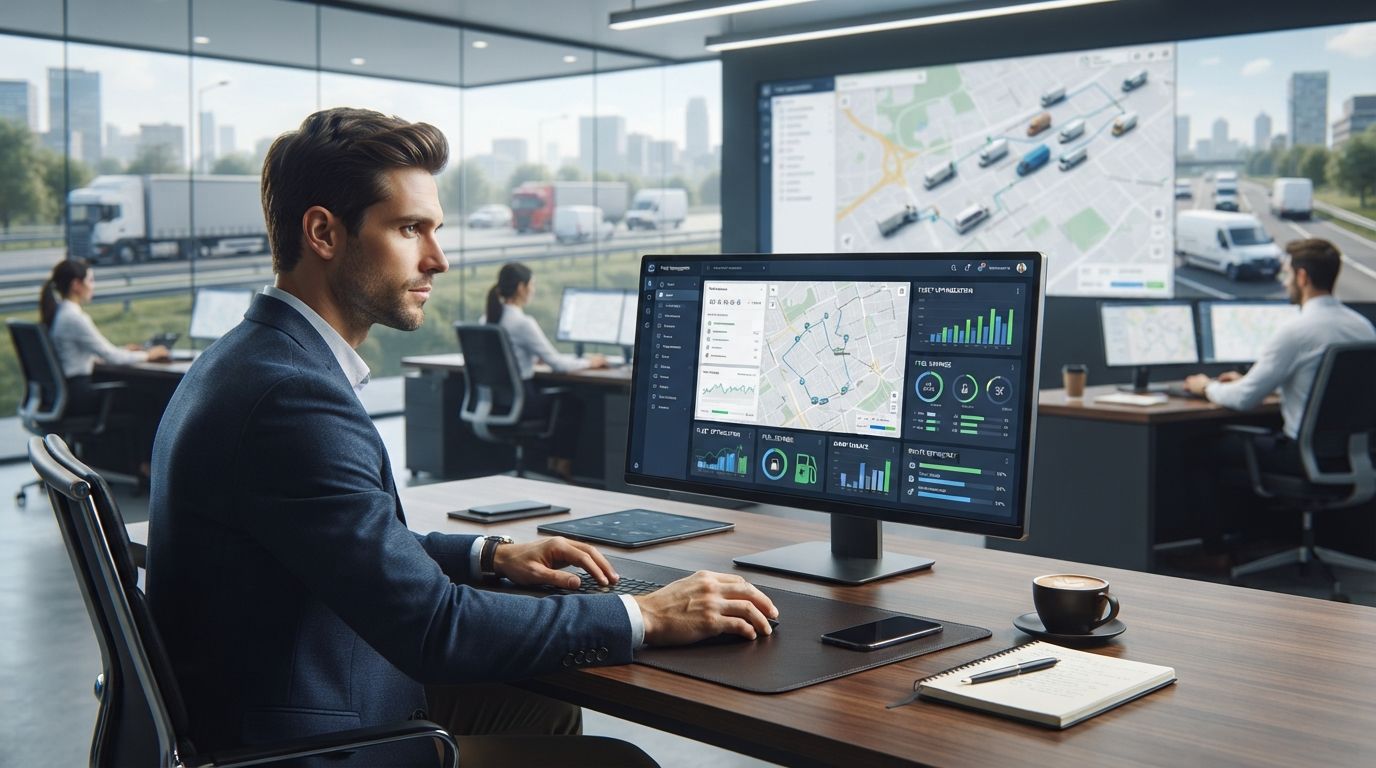
Far beyond simple dot-on-a-map tracking, modern GPS fleet management solutions act as comprehensive business intelligence platforms. By capturing real-time telemetry data, diagnostic codes, driver behavior metrics, and spatial analytics, these platforms empower decision-makers to identify inefficiencies that would otherwise remain hidden. In this comprehensive guide, we will analyze the 10 Ways GPS Tracking Can Reduce Fleet Operating Costs, demonstrating how integrating this technology can transform your fleet from a cost center into a highly optimized, value-generating asset.
Implementing these technologies requires a robust technical foundation. Partnering with experienced systems integration and technology consultants like Sevcore Technologies ensures that your GPS hardware, dispatch software, and enterprise resource planning (ERP) platforms communicate seamlessly, maximizing the return on your technology investment.
The Fleet Cost-Reduction Matrix
To understand the financial impact of telematics, it is helpful to look at how specific fleet cost categories are transformed after deploying GPS tracking technology. The table below outlines the baseline challenges and the corresponding optimized state achieved through smart tracking systems.
| Fleet Cost Category | Traditional Fleet Baseline | GPS-Optimized Fleet State | Average Cost Reduction Range |
|---|---|---|---|
| Fuel Consumption | High idling times, inefficient routing, and excessive speeding. | Automated route optimization, idle alerts, and speed monitoring. | 10% to 25% |
| Vehicle Maintenance | Reactive “break-fix” cycles and missed preventive service windows. | Predictive diagnostic alerts and automated engine-hour scheduling. | 12% to 20% |
| Labor & Payroll | Manual timesheets, unauthorized stops, and overtime inflation. | Digital geofencing, automated timesheets, and dispatch optimization. | 10% to 15% |
| Insurance Premiums | High-risk driver profiles and lack of verifiable safety data. | Driver safety scorecards and verifiable theft-recovery tools. | 5% to 15% |
| Asset Utilization | Underutilized vehicles sitting idle; bloated fleet size. | Data-driven fleet right-sizing and precise asset redeployment. | 10% to 30% |
10 Ways GPS Tracking Can Reduce Fleet Operating Costs
1. Eliminating Excessive Fuel Waste and Idling
Fuel is consistently one of the top two operating expenses for any fleet. While fuel prices fluctuate due to macroeconomic factors beyond a manager’s control, fuel consumption can be tightly controlled. One of the most direct ways GPS tracking reduces expenses is by identifying and eliminating excessive vehicle idling.
Many drivers keep their engines running during deliveries, rest breaks, or paperwork stops to maintain cabin temperature or out of habit. However, an idling heavy-duty truck can consume up to one gallon of fuel per hour. GPS tracking systems monitor engine status in real-time, sending automated alerts to both the driver and the fleet manager when a vehicle idles beyond a pre-set threshold (e.g., 5 minutes). By curbing this behavior, fleets immediately realize significant reductions in daily fuel burn and engine wear.
2. Intelligent Route Optimization and Geofencing
Driving unnecessary miles directly increases fuel consumption, tire wear, and vehicle depreciation. Traditional routing relies on static planning, which cannot account for real-time traffic congestion, road construction, or sudden weather changes. GPS tracking systems feature dynamic, intelligent routing engines that calculate the most efficient path for every dispatch.
Furthermore, by utilizing geofencing technology—creating virtual boundaries around specific geographic areas—managers can receive instant notifications if a vehicle deviates from its assigned route or enters an unauthorized zone. This prevents “moonlighting” (drivers using company vehicles for personal errands) and ensures that drivers stick strictly to optimized, pre-planned paths, reducing overall mileage and wear on the fleet.
3. Transitioning to Proactive, Preventative Maintenance
Reactive maintenance—waiting for a vehicle to break down before fixing it—is incredibly costly. It leads to unexpected downtime, expensive emergency towing fees, expedited parts shipping, and lost revenue from missed customer appointments. GPS tracking platforms integrate directly with a vehicle’s On-Board Diagnostics (OBD-II or J1939) port to read engine data in real-time.
Instead of relying on drivers to report dashboard warning lights or manually tracking mileage on spreadsheets, the telematics system monitors actual engine hours, mileage, and diagnostic trouble codes (DTCs). The system automatically schedules preventative maintenance (such as oil changes, tire rotations, and brake inspections) and alerts mechanics before minor mechanical issues escalate into catastrophic engine or transmission failures. This extends the operational lifespan of each vehicle and preserves resale value.
4. Optimizing Labor Costs and Eliminating Timesheet Fraud
Managing payroll for a mobile workforce can be incredibly difficult without objective data. Manual timesheets are prone to human error, rounding inflation, and administrative delays. GPS tracking acts as an automated, indisputable digital timesheet.
By tracking when a vehicle’s ignition is turned on in the morning, when it arrives at a job site, how long it remains stationary, and when it returns to the yard, fleet managers gain complete visibility into actual hours worked. This eliminates timesheet padding and ensures that employees are compensated fairly and accurately for their exact time on duty. Additionally, dispatchers can use real-time location data to assign the closest available driver to a new service call, reducing unnecessary overtime expenses.
5. Mitigating High-Risk Driver Behaviors
Aggressive driving habits such as rapid acceleration, harsh braking, and high-speed cornering do more than just jeopardize public safety—they also accelerate vehicle wear and tear and dramatically decrease fuel efficiency. According to the U.S. Department of Energy, aggressive driving can lower gas mileage by up to 30% at highway speeds.
GPS tracking systems utilize internal accelerometers and gyroscopes to monitor driver behavior. The software compiles this data into individual “Driver Safety Scorecards.” By identifying high-risk drivers, managers can implement targeted coaching programs to encourage smoother, safer driving habits. Over time, this leads to fewer accidents, lower maintenance costs for brakes and tires, and a significantly reduced risk of costly liability lawsuits resulting from traffic collisions.
6. Enhancing Asset Security and Rapid Theft Recovery
Vehicle and cargo theft are multi-billion-dollar problems globally. The loss of a commercial vehicle is not only a capital loss but also causes severe operational disruption, as specialized equipment and inventory must be replaced. GPS tracking systems provide continuous, real-time location tracking for both powered vehicles and non-powered assets like trailers and equipment containers.
If a vehicle is moved outside of operating hours, geofence alerts instantly notify security personnel or fleet managers. In the unfortunate event of a theft, the precise, real-time GPS coordinates of the stolen asset can be shared directly with law enforcement, allowing for rapid recovery before the vehicle can be stripped for parts or transported across borders. This minimizes downtime and protects the business from devastating capital losses.
7. Securing Lower Commercial Insurance Premiums
Commercial auto insurance premiums have risen steadily over the past decade, driven by rising litigation costs and expensive vehicle technology repairs. Insurance providers calculate premiums based on risk. A fleet with no visibility into driver behavior and no anti-theft measures represents a high-risk profile.
By demonstrating to insurers that your fleet is equipped with active GPS tracking, speed-monitoring capabilities, and driver coaching programs, you can negotiate substantial discounts on your premiums. Many major insurance companies offer discounts ranging from 5% to 15% for fleets that utilize telematics, as these systems statistically lower the frequency and severity of insurance claims.
8. Streamlining Regulatory Compliance and Reducing Fines
Compliance with transportation regulations can be a major administrative burden. For fleets operating in regions with strict mandates, such as the Electronic Logging Device (ELD) mandate in the United States and Canada, or International Fuel Tax Agreement (IFTA) regulations, manual tracking is highly inefficient and prone to costly errors.
GPS tracking systems automate the collection of mileage data across state, provincial, and national borders. This simplifies IFTA reporting by generating precise, audit-ready reports on exactly how many miles were driven in each jurisdiction, eliminating the risk of human error and subsequent regulatory fines. Furthermore, integrated ELD solutions ensure that drivers remain compliant with Hours of Service (HOS) regulations, reducing the risk of costly roadside out-of-service violations.
9. Maximizing Fleet Utilization and Right-Sizing
Many businesses operate larger fleets than they actually need because they lack the data to analyze true asset utilization. A vehicle sitting idle in a parking lot is a depreciating asset that still incurs fixed costs like insurance, registration, and scheduled maintenance.
GPS tracking analytics provide comprehensive utilization reports, showing exactly how often each vehicle is used, how many hours it operates daily, and whether certain assets are consistently underutilized. Armed with this information, fleet managers can confidently “right-size” their fleet—selling off underused assets, reallocating vehicles to busier branches, or avoiding the unnecessary lease or purchase of new vehicles. This optimizes capital allocation and reduces overall operating overhead.
10. Improving Customer Retention and Eliminating Billing Disputes
Acquiring a new customer is significantly more expensive than retaining an existing one. Inefficient fleet operations lead to missed delivery windows, late service arrivals, and poor communication, which ultimately drives customers to competitors. GPS tracking improves customer service by providing real-time, accurate Estimated Times of Arrival (ETAs).
Additionally, GPS data provides an indisputable digital record of service. If a customer disputes a bill, claiming that a technician never arrived or only stayed for a fraction of the billed time, the fleet manager can pull up precise GPS logs showing exactly when the vehicle entered and exited the customer’s property. This quickly resolves billing disputes, protects the company’s reputation, and prevents costly write-offs or refunds.
Key Takeaways
- Immediate Fuel Savings: Curbing idling and optimizing routes can slash fuel expenses by up to 25%.
- Predictive Maintenance: Monitoring OBD-II diagnostics prevents catastrophic breakdowns and keeps vehicles on the road longer.
- Labor Accountability: Automated timesheets eliminate payroll inflation and optimize daily driver productivity.
- Enhanced Safety: Telematics-driven driver scorecards reduce high-risk behaviors, leading to fewer accidents and lower insurance costs.
- Strategic Right-Sizing: Utilization reports help businesses eliminate underused vehicles, freeing up vital capital.
Frequently Asked Questions
How long does it typically take to see a return on investment (ROI) after installing GPS tracking?
Most fleets begin to see a return on investment within 30 to 90 days. The initial savings are typically driven by immediate drops in fuel consumption (due to reduced idling) and the elimination of unauthorized vehicle use. Over 6 to 12 months, deeper savings are realized through optimized maintenance schedules, lower insurance premiums, and improved driver behavior.
Will drivers resist the installation of GPS tracking systems?
Driver resistance is common but can be easily managed through transparent communication. Frame the technology as a safety and support tool rather than a surveillance device. Emphasize that GPS tracking protects drivers from false customer claims, automates tedious manual timesheets, and provides roadside assistance location data in emergencies.
Can GPS tracking prevent vehicle theft, or does it only help with recovery?
While GPS tracking is primarily a recovery tool, it also acts as a powerful preventative measure. Geofencing alerts notify managers the instant a vehicle moves outside of working hours, allowing for immediate intervention. Some advanced telematics systems also offer starter-disable features that prevent unauthorized engine ignition during designated off-hours.
Is GPS tracking cost-effective for small fleets with fewer than ten vehicles?
Yes. In fact, small businesses often operate on tighter margins where a single unexpected engine failure or a major billing dispute can severely impact cash flow. The cost of GPS tracking is typically a low monthly subscription per vehicle, which is easily offset by saving just a few gallons of fuel or preventing one unnecessary maintenance repair per month.
How does GPS tracking assist with tax compliance like IFTA?
The International Fuel Tax Agreement (IFTA) requires fleets to report miles driven in different jurisdictions to distribute fuel taxes fairly. Manually tracking odometer readings at every border crossing is incredibly prone to errors. GPS tracking automates this by recording exact GPS coordinates and cross-referencing them with jurisdictional boundaries, generating accurate, audit-proof tax reports in seconds.
Conclusion
Implementing a comprehensive telematics solution is no longer a luxury reserved for massive enterprise logistics corporations; it is a fundamental operational necessity for any business that relies on a fleet of vehicles. As outlined in these 10 Ways GPS Tracking Can Reduce Fleet Operating Costs, the financial benefits of this technology touch every corner of your business operations—from fuel pumps and maintenance bays to payroll departments and insurance negotiations.
By leveraging real-time data, business leaders can transition from making decisions based on guesswork to executing precise, data-driven strategies. This not only slashes overhead costs but also boosts customer satisfaction, improves employee safety, and enhances overall business resilience. To maximize the value of your fleet technology, ensure your systems are integrated by professionals who understand how to connect your telematics data with your broader business infrastructure, paving the way for long-term growth and sustained profitability.